How I made a living border around a fruit tree with chives
Last year's saved chive seed became this year's living border. This year's seed is helping fill it in.
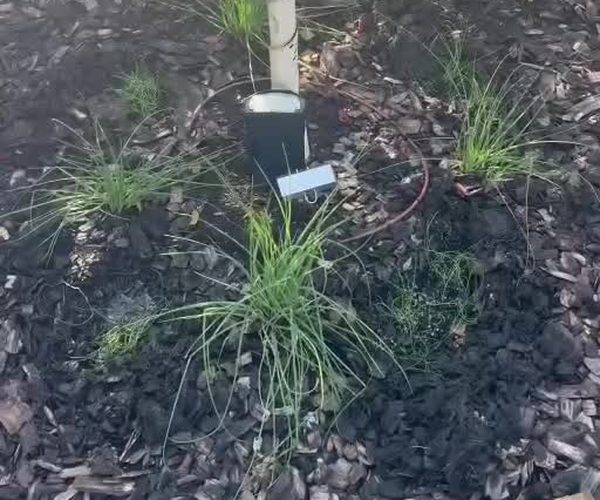
My original chives grow in a pot. In 2025, I let them flower, harvested some of the seed, and saved it.
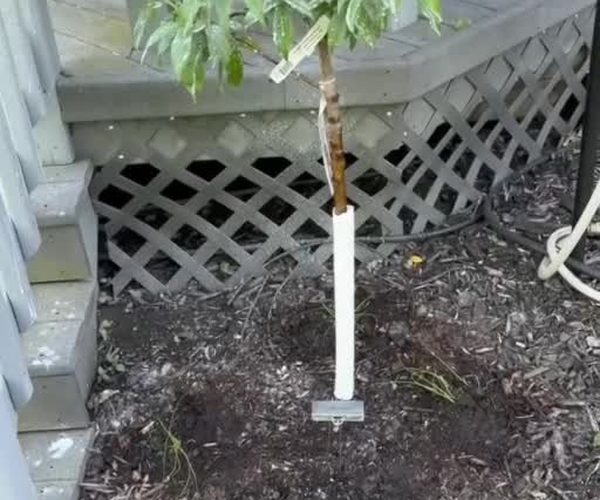
In spring 2026, I started those saved seeds indoors. When the seedlings were ready, I used them to begin something I had been thinking about: replacing a hard plastic tree ring with a living border.
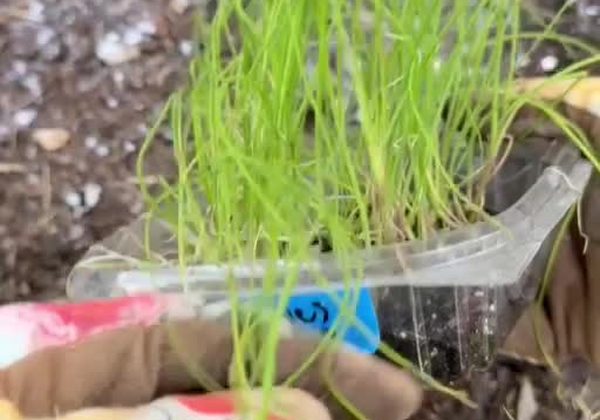
The first chive seedlings going into the ring earlier this season.
Why chives?
I already had them, I enjoy using them, and they can do more than one job in the garden. Chives are perennial, can be started from seed, and are useful as ornamental-edible edging plants. That made them a practical choice for an experiment I could build gradually rather than finish all at once.
The first planting did not create a perfectly full circle. I left the gaps alone.
The next batch started with this season's seed
In 2026, those original potted chives produced seed again. I harvested another batch, sowed it, watered it, and waited.
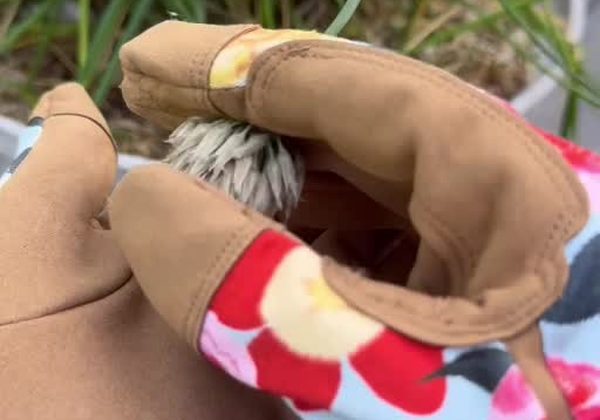
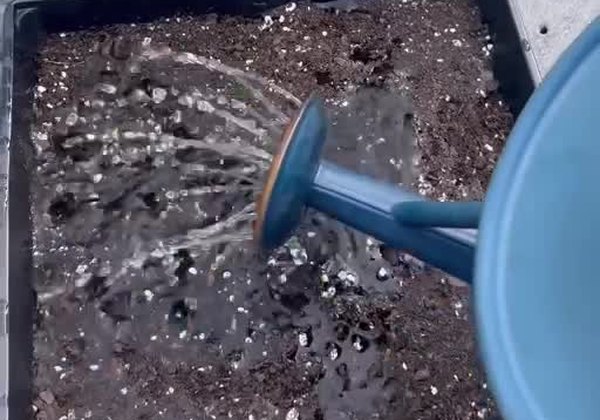
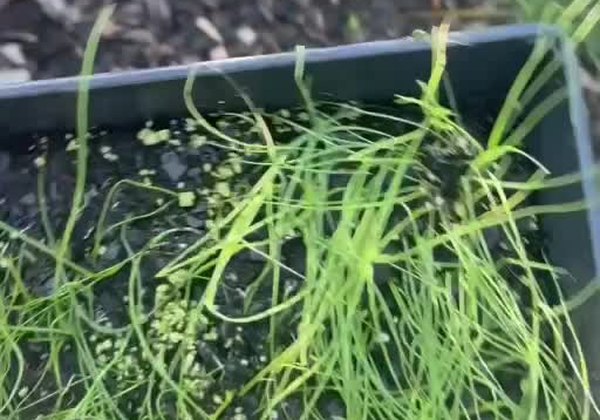
Those seedlings became exactly what I needed to fill more of the open spaces in the same living border.
Save one seed you actually want.
You do not have to save everything that goes to seed. Pick one plant you would genuinely like more of.
- Find a paper envelope or small paper bag.
- Write the plant name and year on it.
- When the seed is mature and dry enough to collect, save a little.
- Stop there if you want to.
One envelope counts.
One thing worth knowing
You can experiment with seeds from any plant that interests you, but saved seed does not always produce a plant identical to its parent. If preserving a specific variety matters, check that plant's seed-saving guidance first. Hybrids and cross-pollinated plants can produce surprises.
What I am carrying forward
Last year's saved seed gave me the plants to start the border. This year's saved seed gave me more plants when the border needed them.
I did not need to know the entire plan when I saved the first envelope.
I only needed to preserve one useful beginning.
One useful beginning each month.
A quiet monthly note with one practical gardening idea, one seasonal beginning, and enough room to use it.
Join Starting CountsSources
For the horticultural facts in this note, see University of Minnesota Extension, “Growing chives in home gardens,” and Illinois Extension, “Chives.” Both describe chives as perennial, seed-startable, and useful ornamentally; Illinois Extension specifically notes their value as edging in a perennial border.
University of Minnesota Extension: Growing chives in home gardens
Illinois Extension: Chives