Garden Projects · Garden Note
Grow More Without Bending Down
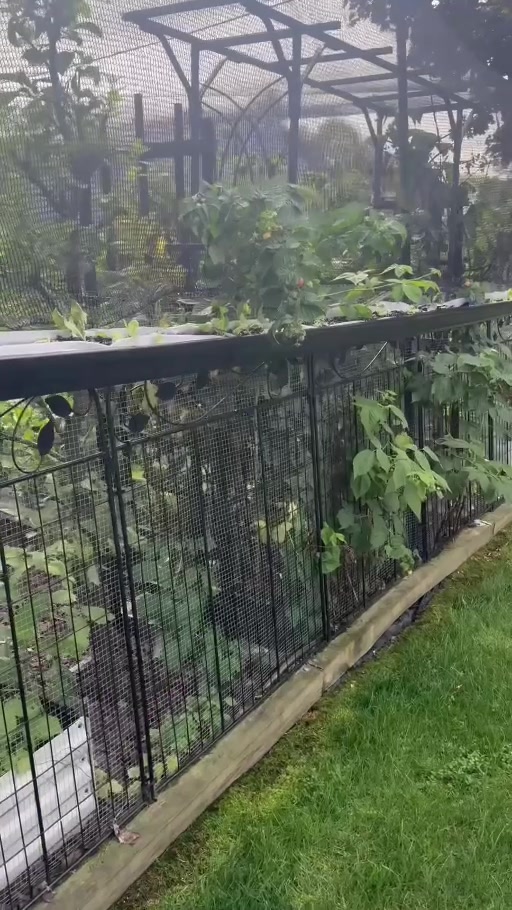
I mounted a gutter along the garden fence to create elevated growing space. Lettuce is the first test. Strawberries are the spring plan.
The answer
Yes, a gutter can become useful elevated growing space.
The basic idea is simple: mount a gutter securely at a comfortable height, provide drainage, add a suitable growing medium, and use it for plants that can handle a relatively shallow root zone. I placed mine above waist height along the side of my enclosed garden.
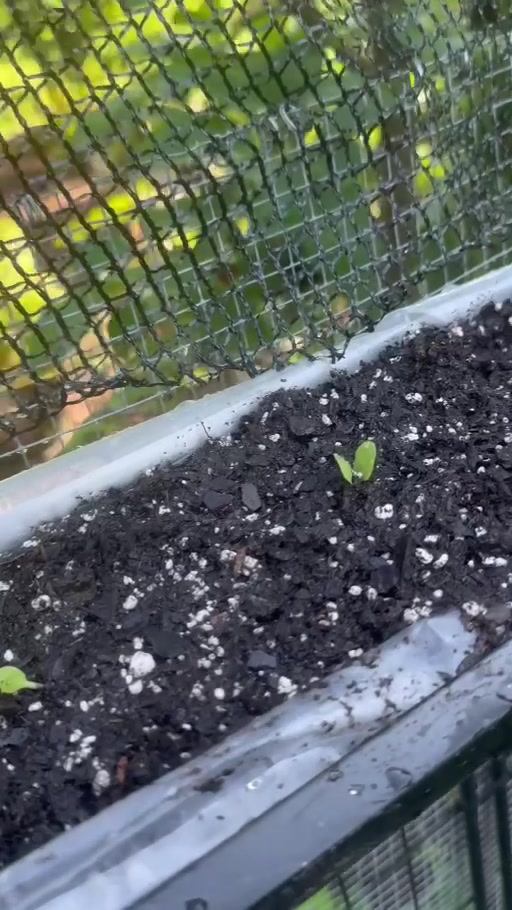
Right now I am using it for lettuce I grew from seed. In spring, I plan to test strawberries there.
Why I built it
Same garden. More usable space.
The fence edge was already there. The goal was not to build another bed. It was to use an existing vertical boundary and move some growing space upward, where tending and harvesting are easier to reach.
What I used
The simple setup
- Aluminum rain gutter
- Secure gutter brackets / mounting hardware
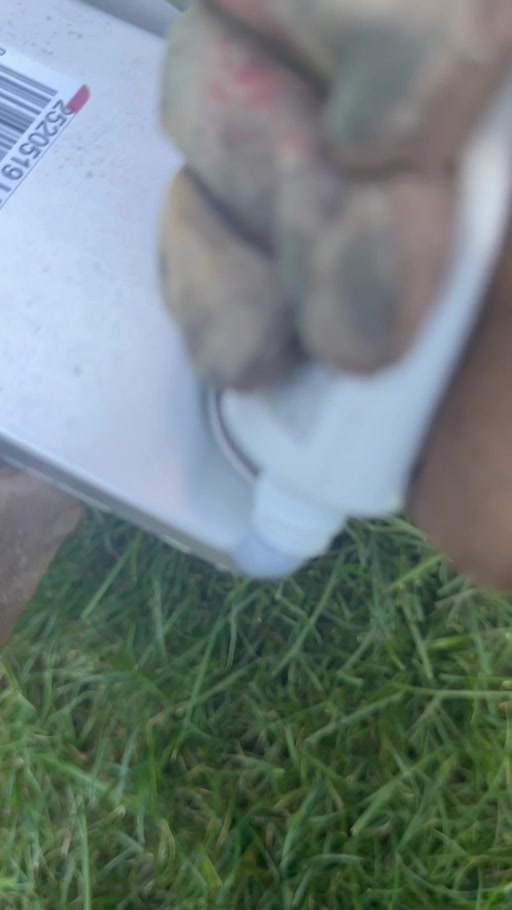
- 6 mil UV-resistant polyethylene greenhouse film as a removable liner
- Drainage openings
- Container growing medium
- Lettuce seedlings for the first test
Important liner note: I used greenhouse polyethylene to protect the aluminum and make the liner replaceable. I have not verified this specific film as food-contact certified. If documented food-contact compliance matters for your setup, choose a liner whose manufacturer explicitly provides that documentation.
How I approached it
Build for drainage and reach first.
- Choose the height. I placed mine above waist height. The useful height is the one you can comfortably tend without making the structure awkward or unsafe.
- Mount it securely. Wet growing medium is heavy. The gutter and brackets need to be treated as a loaded planter, not decoration.
- Line and drain it. I used polyethylene film as a replaceable liner and made sure excess water had a path out.
- Use a container mix. A gutter has limited soil volume, so drainage and moisture management matter more than they would in an in-ground bed.
- Start with a crop that gives quick feedback. Lettuce lets me see how fast the gutter dries, how evenly it waters, and how plants handle the root space before spring strawberries go in.
What to watch
The shallow root zone changes the job.
Elevated gutters can dry faster than larger containers, especially in sun and wind. That means watering frequency may become the biggest maintenance question. I am also watching how the liner holds up, whether the drainage stays even, and how much usable root space remains once the gutter is fully planted.
For strawberries, I will be watching plant vigor, runner management, winter exposure, and whether the crop stays productive enough to justify the setup.
The report
Lettuce now. Strawberries in spring.
This page is the source-of-record for the project. I will update it with what actually happens rather than pretending the first version is the final answer.
Current status: mounted, lined, planted, and growing lettuce. Strawberry test planned for spring 2027.
Starting Counts
One useful beginning each month.
Get the next practical garden idea in your inbox, then use only what helps.
Join Starting Counts